
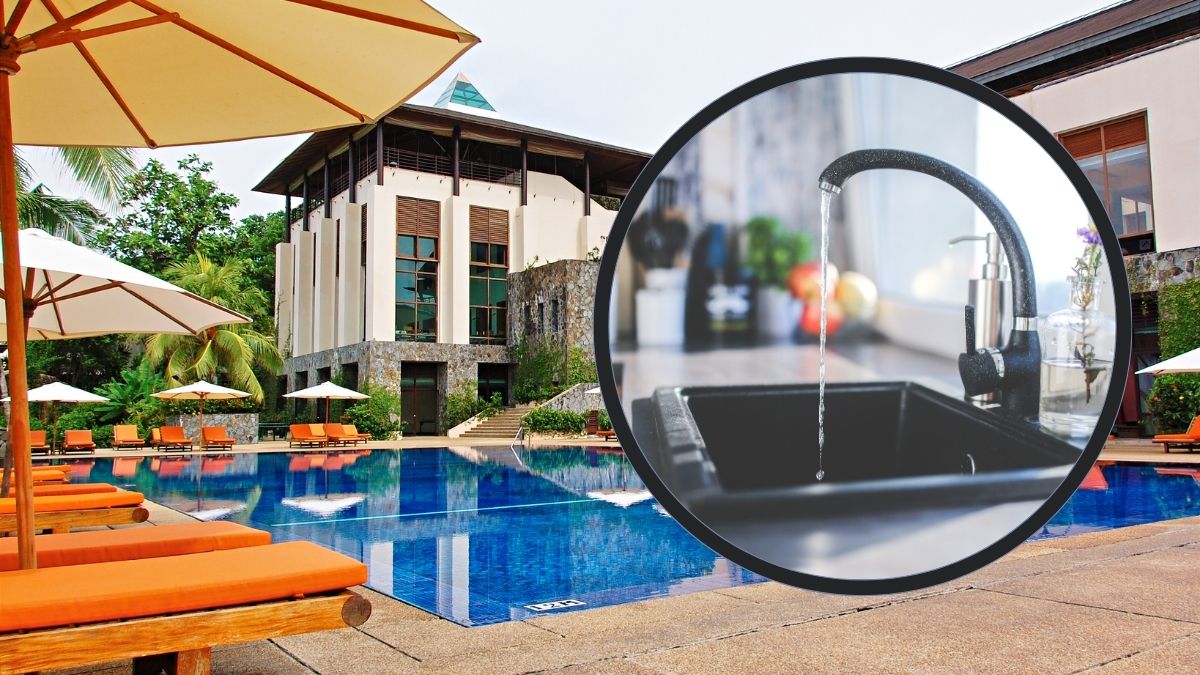
Texas welcomes millions of visitors every year, making hotels, resorts, vacation rentals, and short-term accommodations an important part of the state’s tourism industry. Whether guests are staying for business, family vacations, sporting events, or weekend getaways, they expect clean rooms, reliable hot water, functioning bathrooms, and uninterrupted plumbing throughout their stay. Behind every successful hotel or vacation rental is a well-maintained plumbing system. From guest bathrooms and commercial kitchens to swimming pools, laundry rooms, and irrigation systems, plumbing supports nearly every daily operation. Even a small plumbing problem can result in guest complaints, property damage, canceled reservations, and costly emergency repairs.
For hotel managers and vacation rental owners, plumbing maintenance is not simply about fixing leaks when they occur. Instead, it involves regular inspections, preventive maintenance, modern technology, staff training, and long-term planning to keep everything operating efficiently throughout the year. In this article, you’ll learn how leading hotels and vacation rentals across Texas keep their plumbing systems flowing smoothly, reduce unexpected breakdowns, and maintain high guest satisfaction. Whether property owners occasionally rely on Plumbers In Houston or Plumbers In San Antonio, proactive plumbing maintenance remains one of the smartest investments for protecting hospitality businesses.
Why Plumbing Is Critical In The Hospitality Industry
Guests may never notice a well-maintained plumbing system, but they immediately notice when something goes wrong. Hotels and vacation rentals depend on plumbing for :-
- Guest bathrooms
- Showers
- Bathtubs
- Kitchens
- Laundry facilities
- Swimming pools
- Ice machines
- Water heaters
- Fire sprinkler systems
- Irrigation systems
- Staff facilities
When plumbing fails, daily operations can quickly become disrupted.
Common Plumbing Challenges In Hotels And Vacation Rentals
Hospitality properties experience much heavier plumbing usage than most residential homes. Common issues include :-
- Leaking faucets
- Running toilets
- Drain blockages
- Sewer backups
- Pipe leaks
- Low water pressure
- Water heater failures
- Clogged shower drains
- Burst pipes
- Hidden water leaks
High occupancy places continuous stress on plumbing systems throughout the year.
How Plumbing Problems Affect Guest Experience
Reliable plumbing directly influences guest satisfaction. Plumbing failures can lead to :-
- Negative online reviews
- Guest complaints
- Room changes
- Reservation cancellations
- Water damage
- Mold growth
- Lost revenue
- Higher maintenance costs
- Health and safety concerns
A proactive maintenance strategy helps protect both the property and its reputation.
1. Schedule Preventive Plumbing Inspections
Successful hospitality businesses focus on prevention rather than emergency repairs. Routine inspections should include :-
- Water supply lines
- Drain systems
- Toilets
- Faucets
- Shower fixtures
- Water heaters
- Pressure regulators
- Valves
- Pipe insulation
Early inspections identify small issues before they become expensive problems.
2. Monitor Water Pressure
Proper water pressure is essential for guest comfort. Excessively high pressure may :-
- Damage pipes
- Wear out plumbing fixtures
- Increase leaks
- Shorten equipment life
Low pressure may indicate :-
- Pipe corrosion
- Hidden leaks
- Valve problems
- Water supply issues
Regular testing helps maintain consistent performance.
3. Maintain Commercial Water Heaters
Hotels consume large amounts of hot water every day. Water heaters support :-
- Guest showers
- Laundry operations
- Kitchen facilities
- Housekeeping
- Cleaning equipment
Routine maintenance includes :–
- Flushing sediment
- Inspecting heating elements
- Checking pressure relief valves
- Examining connections
- Monitoring operating temperatures
Reliable hot water is one of the most important guest expectations.
4. Inspect Guest Bathrooms Frequently
Bathrooms experience constant daily use. Housekeeping teams should inspect :-
- Toilet operation
- Showerheads
- Faucets
- Sink drains
- Caulking
- Water pressure
- Drain speed
- Visible leaks
Quick repairs help prevent guest complaints.
5. Prevent Drain Blockages
Drain clogs are among the most common plumbing problems in hospitality properties. Common causes include :-
- Hair
- Soap residue
- Food waste
- Paper products
- Grease
- Mineral buildup
Installing drain strainers and performing routine cleaning reduces blockages significantly.
6. Detect Hidden Leaks Early
Small leaks often remain unnoticed until serious damage occurs. Hidden leaks can cause :-
- Mold growth
- Structural damage
- High water bills
- Ceiling stains
- Flooring damage
Routine inspections and leak detection technology help identify issues early.
7. Use Smart Leak Detection Systems
Many modern hotels now install smart leak detection devices. These systems monitor :-
- Water flow
- Pressure changes
- Moisture levels
- Pipe performance
If unusual activity occurs, the system immediately alerts maintenance staff. Some advanced systems can automatically shut off the water supply to reduce damage.
8. Keep Laundry Plumbing In Excellent Condition
Hotel laundry rooms process thousands of towels, sheets, and linens every week. Maintenance includes :-
- Cleaning drains
- Inspecting hoses
- Checking shut-off valves
- Monitoring water pressure
- Preventing lint buildup
Proper maintenance reduces unexpected downtime.
9. Maintain Kitchen Plumbing
Hotel restaurants and breakfast areas place heavy demands on plumbing systems. Regular maintenance includes :-
- Cleaning grease traps
- Inspecting sinks
- Servicing dishwashers
- Maintaining floor drains
- Checking water heaters
Well-maintained kitchen plumbing supports food safety and efficient operations.
10. Prepare For Seasonal Weather
Texas weather can vary dramatically throughout the year. Hospitality properties should prepare for :-
- Freezing temperatures
- Heavy rainfall
- Storms
- Heat waves
Seasonal preparation may include :–
- Pipe insulation
- Outdoor faucet protection
- Drainage inspections
- Roof drain cleaning
- Irrigation system maintenance
Preparation reduces weather-related plumbing damage.
11. Train Maintenance Staff
Maintenance teams should recognize early warning signs. Staff should know how to identify :-
- Slow drains
- Unusual odors
- Water stains
- Running toilets
- Low water pressure
- Pipe leaks
- Unusual noises
Prompt reporting helps prevent larger repairs.
12. Keep Emergency Shut-Off Valves Accessible
During plumbing emergencies, every minute matters. Clearly identify :-
- Main water shut-off
- Guest wing valves
- Kitchen shut-offs
- Laundry shut-offs
- Pool equipment valves
Quick access minimizes water damage.
13. Monitor Water Usage
Tracking water consumption helps identify hidden plumbing issues. Unexpected increases may indicate :-
- Underground leaks
- Running toilets
- Broken irrigation systems
- Equipment failures
Regular monitoring supports both maintenance and water conservation.
14. Upgrade Older Plumbing Fixtures
Older fixtures often waste water and require frequent repairs. Modern plumbing fixtures offer :-
- Better efficiency
- Lower water usage
- Improved durability
- Reduced maintenance
- Better guest experience
Upgrading fixtures also supports sustainability goals.
15. Maintain Swimming Pool Plumbing
Hotels with pools require specialized plumbing maintenance. Routine inspections include :-
- Pumps
- Filters
- Pool heaters
- Drain systems
- Water circulation
- Chemical feed systems
Proper maintenance keeps pools operating safely and efficiently.
Benefits Of Preventive Plumbing Maintenance
A proactive approach offers several long-term benefits.
- Reduced Emergency Repairs : Small issues are resolved before they become major failures.
- Lower Operating Costs : Preventive maintenance typically costs less than emergency repairs.
- Better Guest Satisfaction : Reliable plumbing contributes to a positive guest experience.
- Longer Equipment Life : Well-maintained plumbing systems often last significantly longer.
- Improved Property Value : Consistent maintenance protects long-term property investments.
Water Conservation Strategies
Many Texas hospitality businesses prioritize water efficiency. Useful strategies include :-
- Low-flow toilets
- Water-saving showerheads
- Sensor faucets
- Smart irrigation
- Leak detection systems
- High-efficiency water heaters
Water conservation reduces utility expenses while supporting environmental sustainability.
Emergency Plumbing Planning
Even with excellent maintenance, emergencies can occur. Every property should have :-
- Emergency response procedures
- Maintenance contact lists
- Preferred plumbing contractors
- Spare plumbing parts
- Backup water plans
- Staff training
Preparation helps reduce operational disruptions.
Choosing The Right Commercial Plumbing Partner
Hospitality businesses should work with experienced commercial plumbers. Look for companies that provide :-
- 24/7 Emergency Service : Hotels operate around the clock, so plumbing support should be available at all hours.
- Commercial Experience : Choose contractors familiar with hotels, resorts, and vacation rentals.
- Preventive Maintenance Programs : Regular inspections reduce emergency repairs.
- Licensed and Insured Technicians : Professional credentials help ensure quality workmanship.
- Modern Equipment : Advanced diagnostic tools improve efficiency and accuracy.
Technology Is Transforming Hotel Plumbing
Many hospitality properties now use smart plumbing technology. Examples include :-
- AI leak detection
- Water monitoring systems
- Smart shut-off valves
- Digital maintenance software
- Pipe inspection cameras
- Predictive maintenance platforms
These innovations help reduce downtime and improve operational efficiency.
Common Plumbing Mistakes Hotels Should Avoid
Avoid these common issues :-
- Ignoring small leaks
- Delaying drain cleaning
- Skipping water heater maintenance
- Overlooking water pressure
- Neglecting inspections
- Waiting until equipment fails
- Using low-quality replacement parts
- Forgetting seasonal preparation
Preventive care helps avoid expensive repairs and guest dissatisfaction.
Best Practices For Vacation Rental Owners
Short-term rental owners can reduce plumbing issues by :-
- Inspecting plumbing between guest stays
- Installing leak detectors
- Providing drain usage guidelines
- Replacing worn fixtures promptly
- Scheduling annual plumbing inspections
- Monitoring water bills
- Testing water heaters regularly
- Keeping emergency plumber contact information available
These simple practices improve reliability and protect the property.
Frequently Asked Questions
Why is plumbing maintenance important for hotels?
Hotels depend on reliable plumbing for guest comfort, food service, laundry operations, and housekeeping. Regular maintenance helps prevent costly repairs, minimize downtime, and maintain positive guest experiences.
How often should hotels inspect their plumbing systems?
High-occupancy properties typically benefit from regular inspections throughout the year. The ideal schedule depends on the property’s size, age, occupancy, and local conditions.
Can smart technology help prevent plumbing problems?
Yes. Smart leak detectors, water monitoring systems, and automated shut-off valves can identify unusual water usage and potential leaks early, allowing maintenance teams to respond before significant damage occurs.
What causes the most common plumbing problems in vacation rentals?
Frequent guest turnover, heavy water usage, clogged drains, aging fixtures, and delayed maintenance are among the most common causes of plumbing issues in short-term rental properties.
Should hotels have an emergency plumbing contractor?
Yes. Partnering with an experienced commercial plumbing company ensures rapid response during emergencies and helps minimize disruptions to guests and daily operations.
How can hotels reduce water consumption?
Hotels can conserve water by installing efficient fixtures, repairing leaks promptly, monitoring water usage, upgrading equipment, and implementing smart water management technologies.
In Final Thoughts
Reliable plumbing is one of the foundations of a successful hotel or vacation rental. Guests expect clean bathrooms, dependable hot water, efficient drainage, and uninterrupted service throughout their stay. By investing in preventive maintenance, adopting modern plumbing technologies, training maintenance staff, and responding quickly to minor issues, hospitality businesses can prevent costly emergencies and maintain high levels of guest satisfaction. A proactive plumbing strategy not only reduces repair costs but also protects the property’s reputation, extends the life of critical equipment, and supports long-term operational efficiency. Whether managing a luxury hotel, boutique inn, or vacation rental, keeping plumbing systems in excellent condition helps create a comfortable, reliable, and memorable experience for every guest.